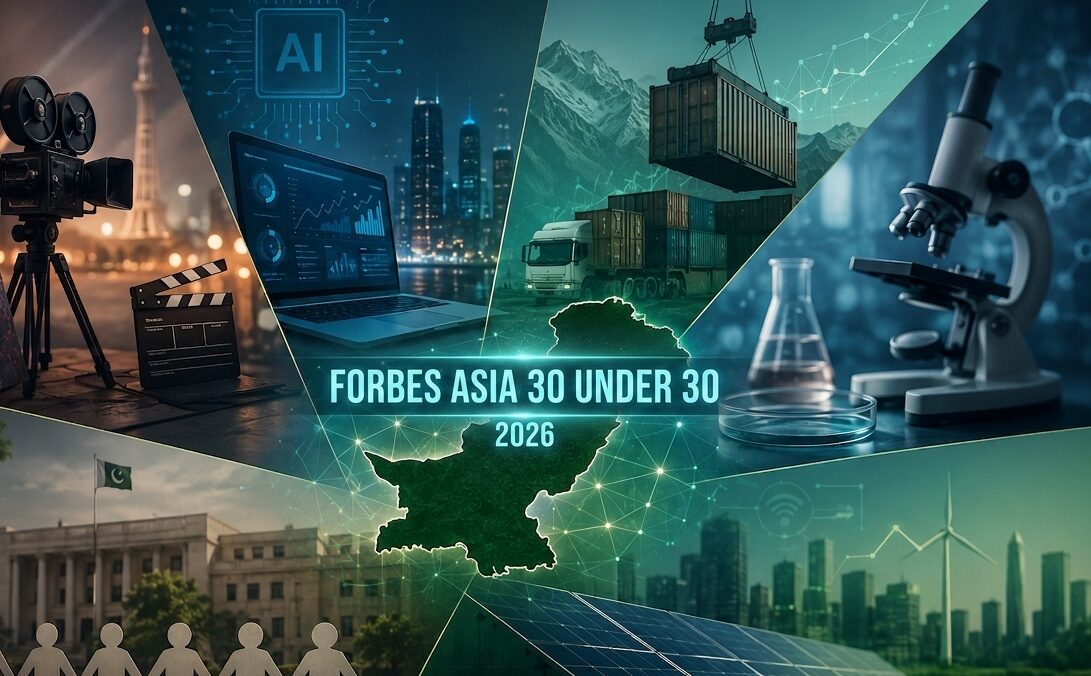
A Netflix lead. A Cambridge PhD. A $5.3 million Shark Tank deal. An AI startup backed in Singapore. Seven Pakistanis. One Forbes list.
Forbes Asia’s 2026 30 Under 30 list features seven Pakistanis across five categories, highlighting the growing influence of Pakistani talent in technology, science, entertainment, and civic leadership. While the individual achievements are impressive, the broader story lies in the sectors these young leaders represent and the direction they suggest for Pakistan’s future.
The Forbes Asia 30 Under 30 list evaluates thousands of nominations each year across the Asia-Pacific region, recognising individuals under 30 who have demonstrated exceptional achievement, leadership, and impact within their fields. Now in its 11th edition, it has become one of the most closely watched markers of emerging talent in the region.
| Forbes Category | Honorees |
|---|---|
| Entertainment & Sports | Hania Aamir, Saman Kamraan |
| Finance & Venture Capital | Muhammad Furqan Karim Kidwai, Sarfraz Shahid Hussain |
| Consumer & Enterprise Technology | Syed Ismail |
| Healthcare & Science | Maheera Ghani |
| Social Impact | Fahad Shahbaz |
While the names span very different fields, a common thread runs through many of their stories: solving real-world problems, building institutions, or expanding Pakistan’s presence on international platforms.
Entertainment & Sports: Pakistan’s Creative Talent Is Crossing Borders
For years, the question in Pakistani entertainment was whether local content could travel beyond the country’s borders. This year’s Forbes list suggests the answer is increasingly yes, and both honorees in this category are proof of that.

Hania Aamir has spent a decade building one of the most recognisable careers in Pakistani television, with hit dramas including Kabhi Main Kabhi Tum and Meri Zindagi Hai Tu. Her work has now crossed borders, her role in Jo Bachay Hain Sang Samait Lo, Netflix’s first original series from Pakistan, brought her in front of a global audience. She also serves as UN Women National Goodwill Ambassador for Pakistan, a role that goes well beyond entertainment. With over 16 million followers on Instagram, Hania Aamir is no longer just a television star. She is one of Pakistan’s most visible faces to the world.
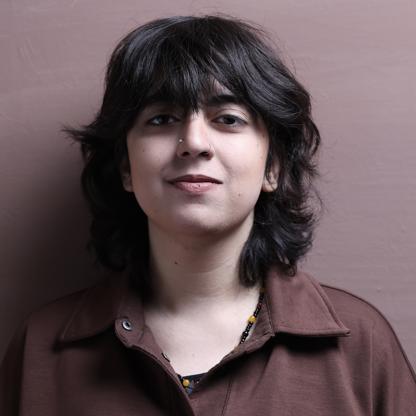
Saman Kamraan is a filmmaker whose work sits at the intersection of social commentary and experimental form. Her short film The Bed She Made, exploring climate change and fertility within a Pakistani context, was selected for the 2026 Busan International Short Film Festival, bringing Pakistani independent cinema to one of Asia’s most prominent film platforms.
Together, they represent two different but complementary paths for Pakistani media: mainstream influence and independent artistic credibility.
Finance & Venture Capital: Pakistani Founders Building AI for Emerging Market Problems
The most startup-relevant names on this year’s list are tackling financial infrastructure problems specific to South and Southeast Asia, and using AI to do it.
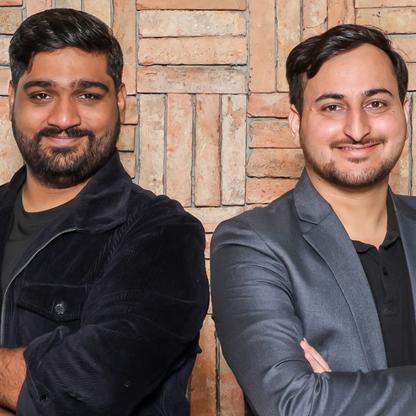
Muhammad Furqan Karim Kidwai and Sarfraz Shahid Hussain, both Habib University graduates, co-founded Plouton AI, a Singapore-based agentic automation platform backed by Antler Singapore. The company uses AI agents to automate financial workflows for mid-sized businesses, including invoicing, payroll, month-end reconciliations, and more.
It integrates with tools like Xero and QuickBooks, replacing processes that many finance teams in emerging markets still run on spreadsheets and email chains. The two founders had previously co-founded YPay Financial Services, a digital mutual funds investment app.
Pakistani founders are increasingly building global-first startups from Singapore, the UAE, and other regional hubs while maintaining strong ties to local talent and markets. Plouton AI is a clear example, incorporated abroad, but built on insights into the financial infrastructure gaps of emerging economies.
As SMEs across the region continue digitising their operations, demand for affordable AI-powered financial automation is likely to increase significantly.
Consumer & Enterprise Technology: Digitising Pakistan’s Most Traditional Industries
One of the largest yet least digitised sectors in Pakistan’s economy is commodity trade, cotton, onyx, and raw materials moving across Central and South Asia through networks that largely operate on trust, phone calls, and manual processes.
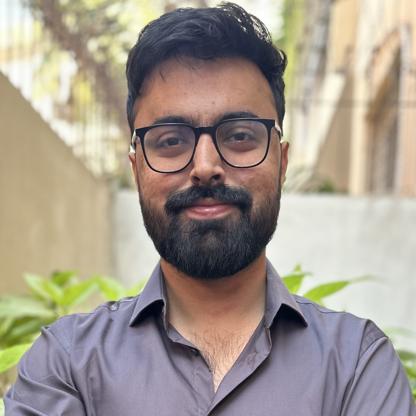
Syed Ismail, recognised in Forbes’ Consumer & Enterprise Technology category, is working to change that. His Karachi-based company Saraaf, co-founded in 2021, digitises commodity sourcing by giving traders real-time pricing, shipment tracking, digitised contracts, and integrated communication tools.
The company secured a $5.3 million investment commitment from Shark Tank Pakistan in 2024 and is developing a mobile app to expand its reach further across the region.
Saraaf is a reminder that not every startup opportunity in Pakistan requires building for a Western market. Some of the largest addressable markets lie in industries that have barely changed in decades. If successful, platforms like Saraaf could bring greater transparency and efficiency to supply chains that remain largely fragmented across the region.
Healthcare & Science: Pakistani Talent at the World’s Top Institutions
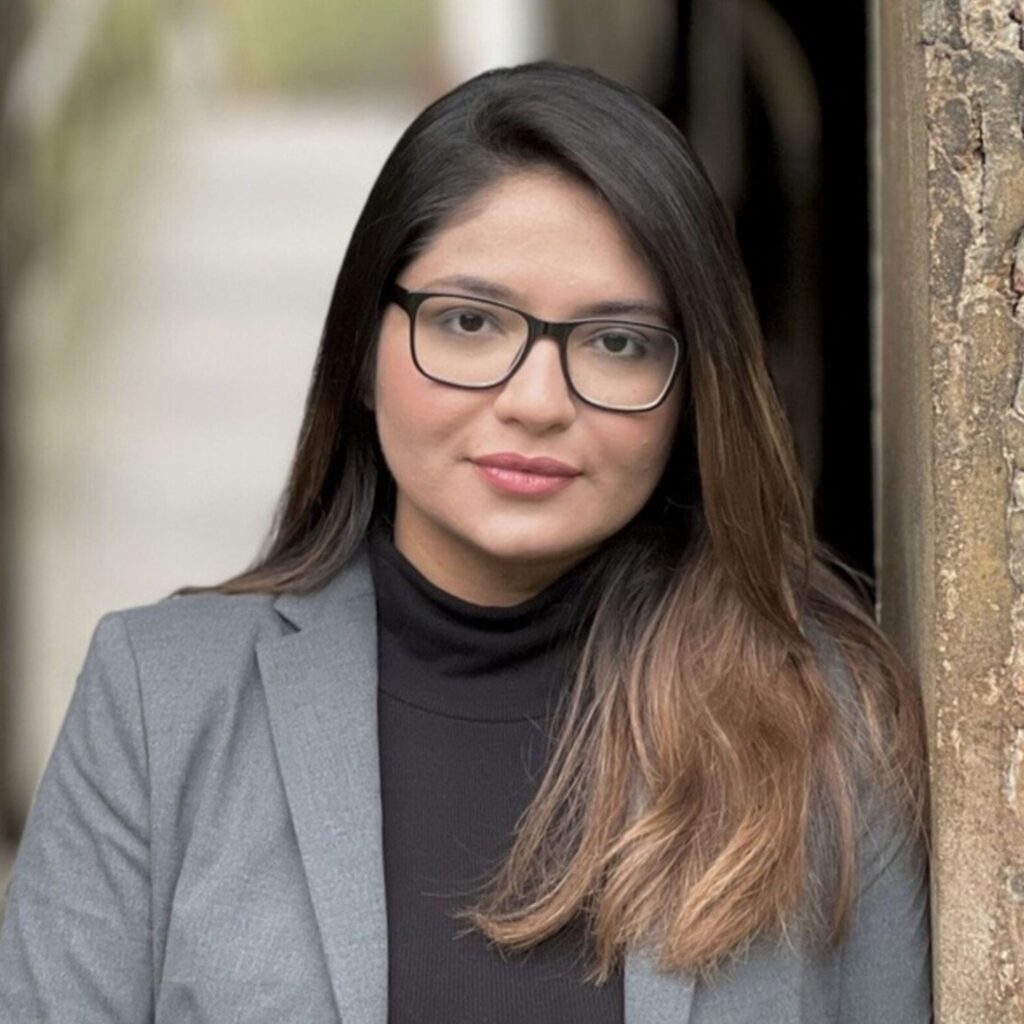
Maheera Ghani completed her PhD in Materials Science at the University of Cambridge in 2025 and is currently conducting postdoctoral research there on ultra-thin semiconductors, a field with significant implications for next-generation electronics and energy technology.
Her impact extends beyond the lab. Ghani leads WinSci Pakistan, an initiative supporting women’s participation in STEM education across the country, and received the Nature Inspiring Women in Science Award from Estée Lauder Companies and Springer Nature.
Her inclusion signals that Pakistani researchers are contributing at some of the world’s leading scientific institutions and research programmes. For universities, scholarship initiatives, and STEM programmes in Pakistan, that is a story worth amplifying.
Social Impact: The Next Generation of Pakistani Policymakers
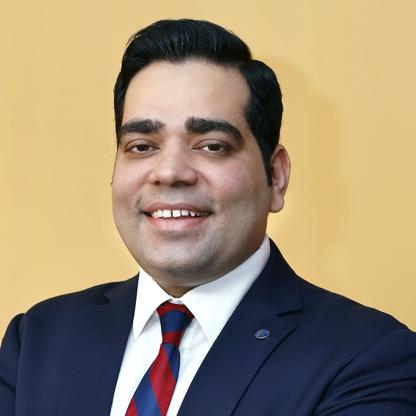
Fahad Shahbaz founded the Youth General Assembly in 2015 at the age of 18. The initiative runs an annual 96-member assembly modelled on the UK Parliament and mirroring Pakistan’s National Assembly, creating a structured space for young Pakistanis to debate public policy and produce actionable recommendations.
Shahbaz received the Diana Award in 2023 and is a member of the World Economic Forum’s Global Shapers Community, Pakistan Chapter.
Building Pakistan also means building institutions, pipelines, and civic capacity, and Forbes considers that worthy of the same recognition as a funded startup.
What Pakistan’s Forbes Asia 30 Under 30 Representation Says About the Ecosystem
Taken together, Pakistan’s seven honorees span entertainment, AI, commodity tech, materials science, filmmaking, and civic leadership. Pakistan has consistently featured on the Forbes Asia 30 Under 30 list in recent years, reflecting a steady pipeline of young talent across multiple industries.
What stands out most is not that seven Pakistanis made the list. It is that they emerged from entirely different ecosystems, startups, science, entertainment, public policy, and creative arts.
Pakistan’s challenge is no longer proving that talent exists. It is building the institutions, capital, and systems that allow that talent to scale from Pakistan, not around it.
Pakistan has always produced exceptional people. The talent has always been there. What changes the outcome is the platform, the opportunity, and the space to grow. When Pakistani talent gets those things, it does not just compete, it leads. These names are proof of that. They are not outliers. They are a glimpse of what Pakistan is fully capable of producing.