A Logo is Not a Brand
“My business needs a new logo.” This is a phrase often heard when businesses begin thinking about branding. Many business owners, especially startup founders, believe that once they have a logo, their branding is complete. They invest time in choosing a symbol or icon and assume it is enough to represent their business, product, or service. However, this is one of the most common misunderstandings in design and business.
A logo is not a brand, and a brand is not only a logo.
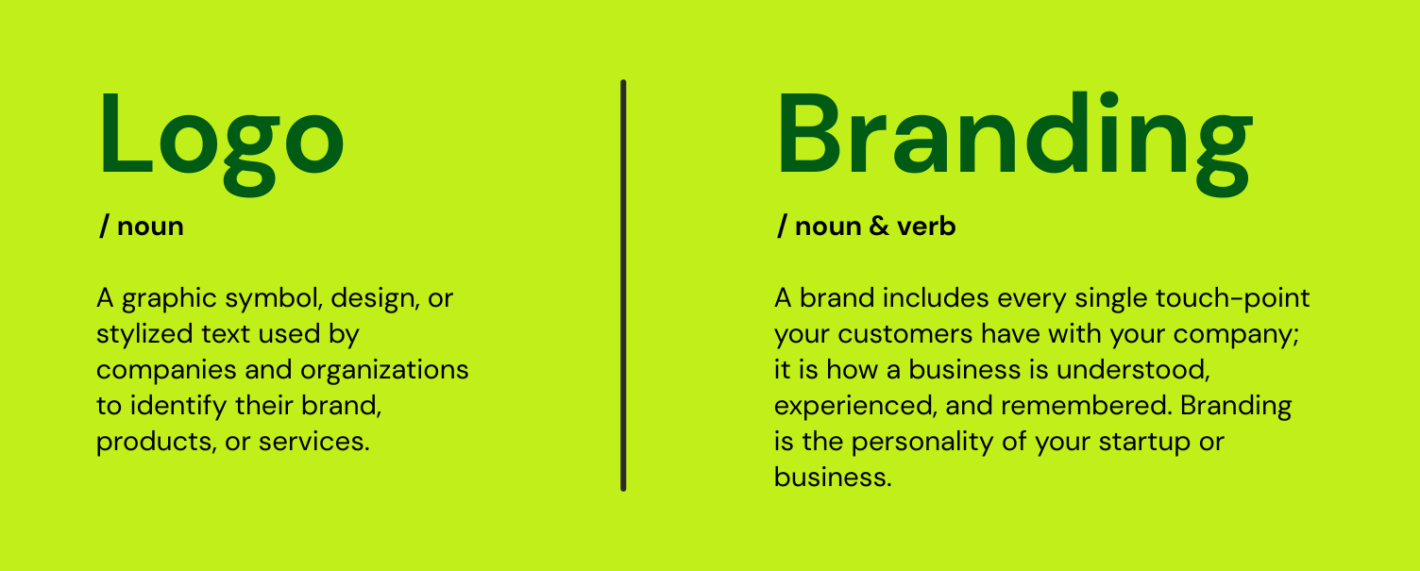
A Logo + A Brand
Everyone is familiar with logos. A logo is a visual mark used to represent a company. For example:
- Nike uses the swoosh
- McDonald’s uses the golden arches
- Coca-Cola uses its signature script
A logo helps people recognize a business. It is important, but it is only one small part of branding. But what’s branding exactly? Branding, in simple terms, is the complete identity of a business. It includes how a business communicates, how it looks, and how it behaves. It is the combination of many elements working together to create a clear and consistent experience. A brand reflects a company’s values, culture, and personality across all touchpoints.
Why Founders Focus Only on Logos
Many founders prioritize getting a logo because it feels like a quick and visible step forward. They are focused on building products, managing operations, and scaling their business.
As a result, branding is often treated as a task to complete rather than a foundation to build. They design a logo, choose a few colors, and move on. However, this approach leads to gaps later.
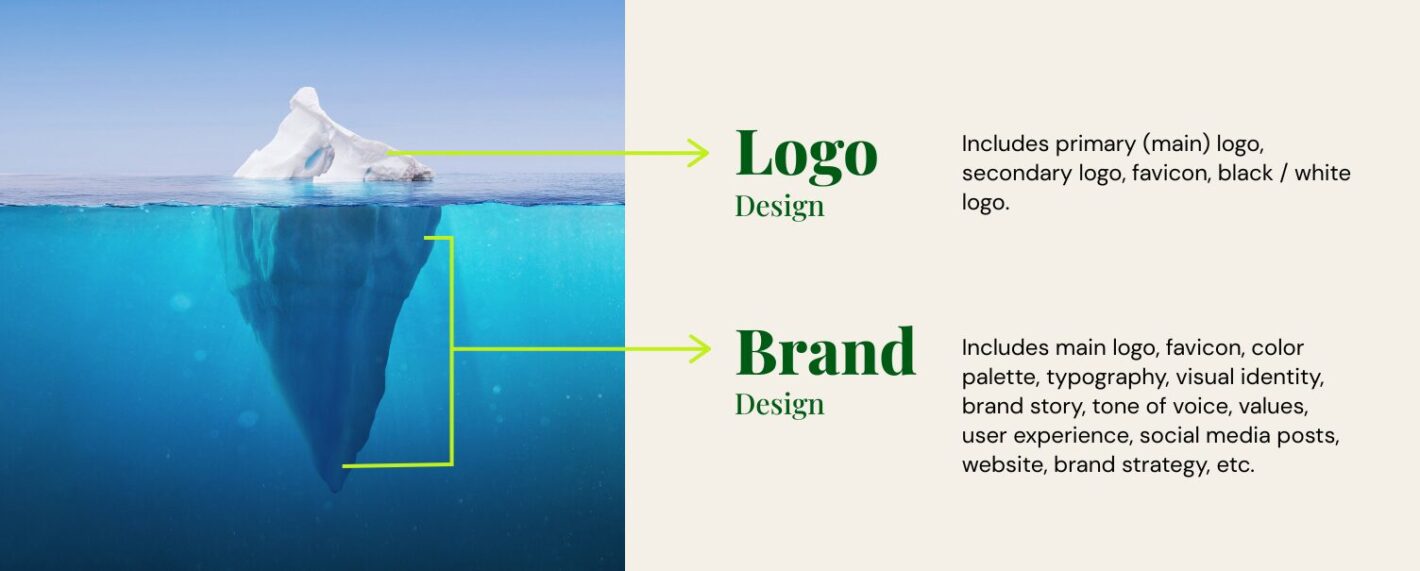
What Happens When Branding is Ignored
When branding is not properly developed, businesses begin to face issues over time. The communication becomes unclear. The visuals feel inconsistent. Customers struggle to understand what the company stands for.
This confusion directly affects trust, growth, and sales. A strong brand requires consistency across all elements, not just a logo.
What Branding Includes
Branding goes beyond a logo. It includes the entire visual system such as colors, typography, layouts, and overall design style. It also includes how a business communicates. This means the tone of voice used in websites, social media, and marketing materials. Some brands sound friendly and casual, while others are formal and professional. The key is consistency.
When all elements align, the brand feels clear and reliable. When they don’t, the brand feels confusing and unprofessional.
Understanding Branding Through Real Examples
A simple way to understand branding is by comparing two well-known soft drink brands: Coca-Cola and Mountain Dew. Both products are similar. Both are fizzy drinks. But they feel completely different. This difference comes from branding.
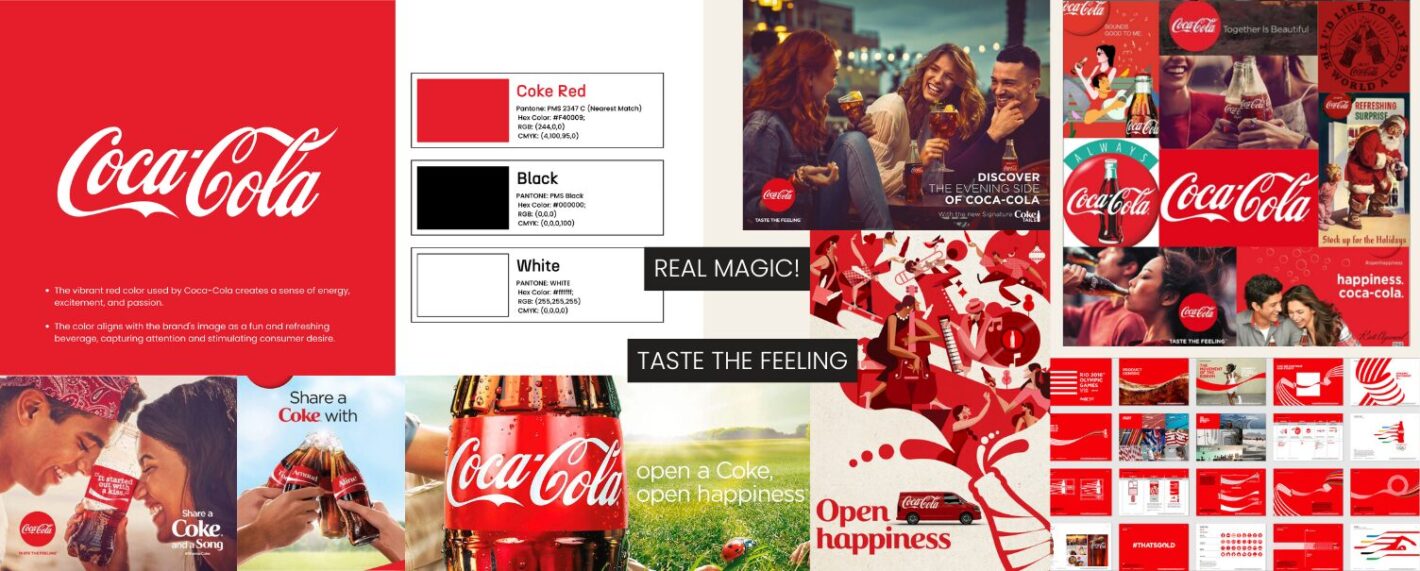
Coca-Cola
Coca-Cola focuses on emotion, nostalgia, and togetherness. Its branding shows families, friendships, and celebrations.
It feels warm, timeless, and universal.
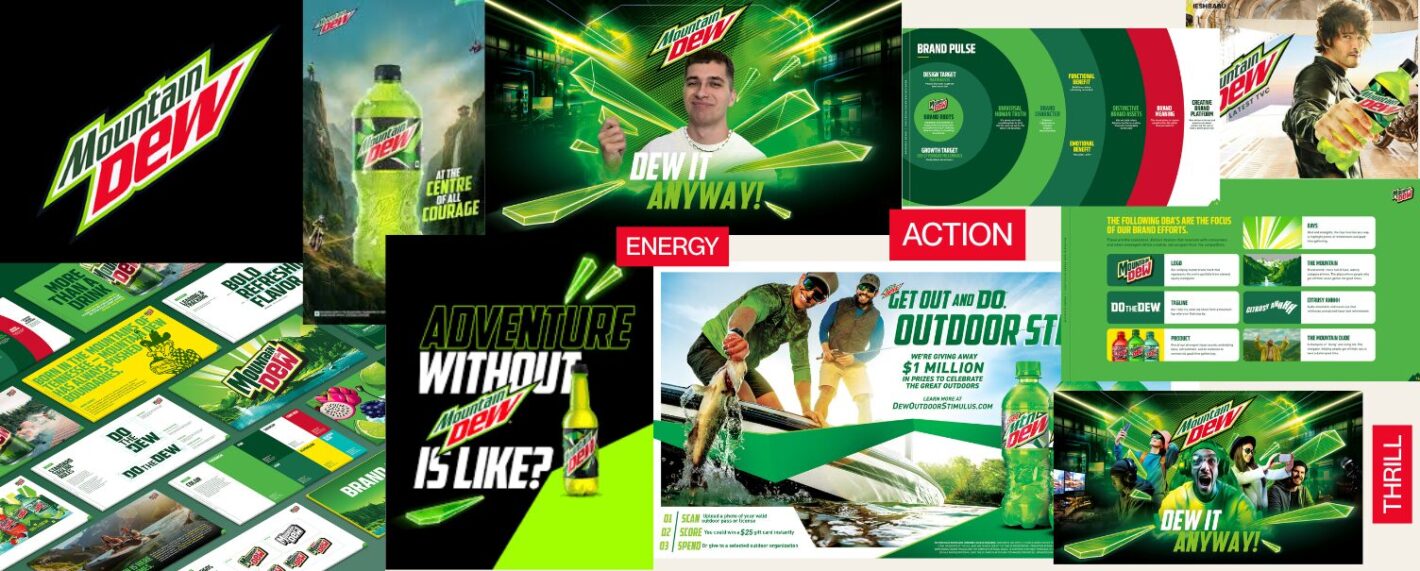
Mountain Dew
Mountain Dew focuses on energy, thrill, and action. Its branding highlights adventure, gaming, and extreme sports.
It feels bold, energetic, and youth-driven.
If both brands only had logos without branding, they would feel the same. But because of branding:
- One feels emotional and classic
- The other feels energetic and edgy
This is the power of branding — it gives meaning to a product.
Branding is Also About Experience
Branding is not limited to visuals and communication. It also includes the experience a business provides. This includes how easy it is to use a product, how customers are treated, and how smoothly services are delivered. People remember these experiences more than they remember a logo.
A logo can attract attention, but it cannot build trust. Trust is built through consistent experience over time.
The Cost of Only Having a Logo
Businesses that invest only in a logo often face challenges later. They may realize their brand does not clearly represent their purpose or connect with their audience. This leads to rebranding, which requires more time, effort, and cost.
It is always more effective to build branding correctly from the beginning.
A Better Approach
Branding should be seen as a process, not a one-time task. Instead of starting with a logo, businesses should first understand how they want to present themselves and how they want to be experienced. Once that clarity is achieved, the logo and visuals can be designed to support it.
Conclusion
A logo is just the front face of a brand. A brand is the full personality behind that face. A business can exist with a logo. But it can only grow when it is clearly understood, consistently experienced, and strongly remembered.