Pakistan’s freelance economy is no longer operating on the sidelines, it is now a critical pillar of the country’s digital exports. As thousands of professionals earn in foreign currency through global platforms and independent clients, regulatory systems are finally evolving to match this growth.
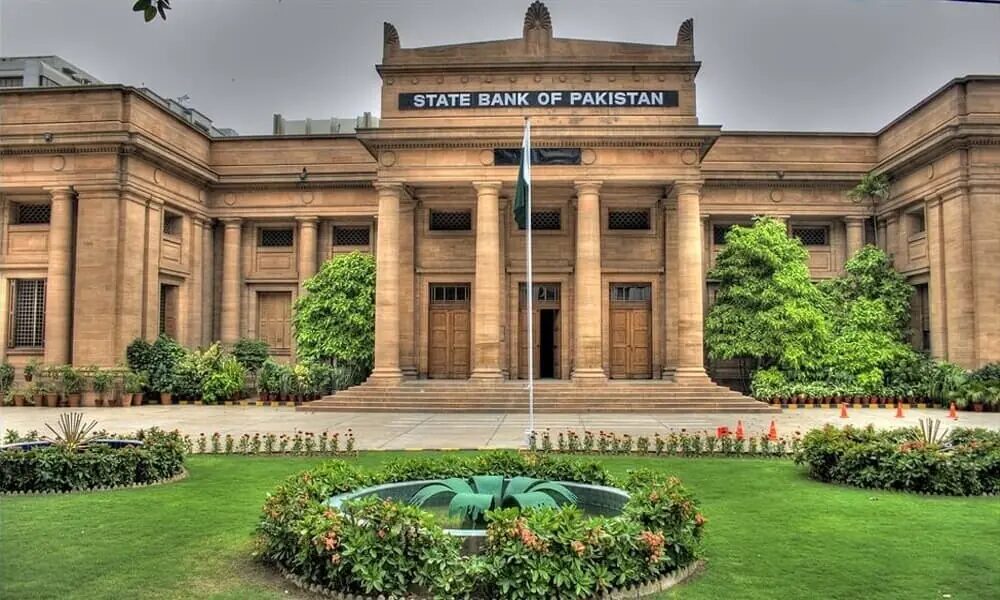
In its latest policy updates, the State Bank of Pakistan (SBP) has introduced a set of reforms designed to simplify how freelancers receive payments, manage foreign currency, and interact with banks. These changes reduce long-standing friction points and signal a more structured approach to integrating freelancers into the formal economy.
The Removal of Form R: A Major Operational Shift
For years, freelancers in Pakistan were required to submit Form R, a declaration confirming the nature of each foreign payment every time funds were received from abroad. While the intent was regulatory transparency, the repeated documentation often caused delays and unnecessary administrative burden.
Under the revised framework, this requirement has been significantly streamlined.
Freelancers are now only required to submit a one-time declaration when opening their account. Once completed, subsequent payments can be processed without repeated submissions.
This shift reduces friction in the payment cycle and allows freelancers to access their earnings with far greater ease.
A Structured Banking Framework for Freelancers
The SBP continues to support freelancers through a dedicated account structure tailored to their needs. This typically includes:
- A PKR account for local transactions and withdrawals
- An Exporters’ Special Foreign Currency Account (ESFCA) for receiving and holding international earnings
This dual-account system ensures that freelancers can operate both locally and globally without needing complex workarounds.
Managing Foreign Currency: Flexibility Within Limits
Freelancers are now better positioned to handle foreign earnings efficiently.
They can:
- Receive payments in major currencies such as USD, GBP, and EUR
- Retain funds in foreign currency accounts
- Use debit cards for international transactions and online spending
However, certain limitations remain consistent with Pakistan’s exchange control framework. Foreign currency cannot be withdrawn as cash within the country, and local usage requires conversion into PKR.
Faster, Simpler Account Opening
Another key improvement lies in onboarding.
- Freelancer accounts are expected to be opened within two working days
- Digital account opening is supported
- Documentation requirements have been reduced
This is particularly beneficial for new freelancers entering the market, enabling quicker access to formal financial channels.
Integration into Pakistan’s Digital Payments Ecosystem
The reforms are part of a broader push to formalize digital payments. Freelancers are increasingly being encouraged to use regulated banking channels, including transfers and digital payment systems.
This transition not only improves transparency but also strengthens Pakistan’s position as a reliable exporter of digital services.
Compliance Still Matters
Despite these simplifications, compliance remains an essential requirement.
Banks continue to:
- Conduct KYC (Know Your Customer) checks
- Monitor transactions
- Request supporting documents where necessary
Freelancers are therefore advised to maintain clear records of their work, including invoices, client details, and payment histories.
How Freelancers Can Actually Benefit from These Changes
1. Faster Access to Payments
With the removal of repeated Form R submissions, payments are processed more efficiently. This reduces waiting times and improves cash flow.
2. Less Administrative Burden
Freelancers no longer need to repeatedly justify each incoming payment. A one-time declaration significantly cuts down on paperwork.
3. Better Control Over Earnings
The ability to retain funds in foreign currency accounts allows freelancers to protect their income against exchange rate fluctuations and choose when to convert funds.
4. Easier Entry for New Freelancers
Simplified account opening and reduced documentation lower the barrier to entry, enabling quicker setup and compliance.
5. Stronger Financial Credibility
Operating through formal banking channels helps freelancers build verifiable income records and access financial services more easily.
6. Reduced Risk of Payment Disruptions
With clearer regulations and standardized processes, the likelihood of delays and disruptions is reduced.
The Broader Impact on Pakistan’s Economy
Freelancers are a rapidly growing segment of Pakistan’s export economy, contributing significantly to foreign exchange inflows. By simplifying regulations and improving banking access, the State Bank of Pakistan is taking steps to formalize this sector.
These reforms are expected to encourage more individuals to enter freelancing, increase documented export revenues, and strengthen financial transparency.
Conclusion
The State Bank of Pakistan’s latest reforms mark a meaningful step toward a more freelancer-friendly financial system. By removing repetitive documentation requirements, improving access to foreign currency, and streamlining account processes, the SBP has addressed several long-standing challenges.
While implementation may still vary across banks, the overall direction is clear: freelancing in Pakistan is becoming easier to manage, more structured, and increasingly aligned with global financial practices.